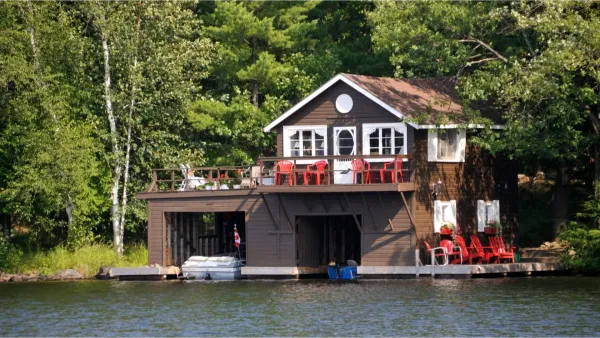





For decades, cottages and cabins have symbolized relaxation, escape, and summer tradition in Canada. They were places families visited on weekends, holidays, and long summer afternoons — temporary retreats from the pace of urban life. Today, however, that narrative is beginning to change.
As housing affordability continues to decline in major cities such as Toronto, Montreal, and Vancouver, more Canadians are looking beyond urban boundaries in search of attainable homeownership and a better quality of life. What was once considered “cottage country” is increasingly becoming permanent residential territory for buyers seeking space, affordability, and flexibility.
According to the 2025 Canadian Cabin & Cottage Trends Report by RE/MAX Canada, nearly one-third of potential homebuyers are considering cottages as primary residences, while many cite urban housing shortages as a major factor influencing their decision.
This growing trend raises an important question: could cottage living become part of Canada’s long-term response to the housing crisis?
Homeownership in Canada’s largest cities has become increasingly difficult for many families, young professionals, and first-time buyers. Rising property values, limited housing inventory, population growth, and higher construction costs have created an environment where buyers often face intense competition and shrinking affordability.
At the same time, rental markets have become equally challenging. Monthly rents continue to climb while available units remain scarce, forcing many Canadians to reconsider their long-term living plans.
As a result, people are beginning to rethink what matters most in a home. Instead of prioritizing proximity to downtown cores, many are focusing on:
The shift is not only about affordability — it is also about redefining quality of life.
The pandemic accelerated one of the most significant lifestyle changes in recent history: the widespread adoption of remote and hybrid work.
With fewer employees required to commute daily, Canadians suddenly gained greater freedom in deciding where they wanted to live. For many households, the realization was simple: if work could happen from anywhere, why remain confined to expensive and crowded urban centres?
This shift fueled growing interest in cottages, cabins, and rural properties located within driving distance of major cities. Buyers were drawn to:
Communities that were once seasonal destinations quickly evolved into year-round housing markets. In many areas, recreational properties that traditionally sat empty during winter months became permanent residences for remote workers and relocating families.
Cottage life offers something many urban residents feel they are missing: breathing room.
Beyond affordability, rural living often provides a slower pace, stronger community connections, and a closer relationship with nature. Neighbours know one another, traffic congestion is minimal, and outdoor recreation becomes part of everyday life rather than an occasional escape.
For some Canadians, this lifestyle represents a healthier and more balanced way to live. The appeal of waking up near lakes, forests, and open landscapes has become increasingly powerful in a world shaped by rising stress, digital overload, and urban congestion.
At the same time, the transition from city life to cottage country is not without challenges.
While rural living offers undeniable advantages, it also requires adjustment.
Urban centres provide convenience and accessibility that smaller communities may struggle to match. Public transit, healthcare facilities, schools, restaurants, entertainment, and major employers are often located just minutes away in cities.
In contrast, year-round cottage living may involve:
For individuals accustomed to walkable neighbourhoods and immediate convenience, adapting to rural life can be difficult. Cottage living often requires greater self-sufficiency and long-term planning.
The decision ultimately depends on personal priorities and lifestyle goals.
Although cottage living is unlikely to fully solve Canada’s housing shortage, it may help ease pressure in densely populated urban markets.
As more Canadians relocate to smaller communities, rural economies may benefit from:
However, rapid growth also introduces serious concerns.
Many cottage towns were originally designed to support seasonal populations, not permanent year-round communities. Roads, water systems, emergency services, schools, and healthcare infrastructure may struggle to accommodate growing demand without substantial investment and careful planning.
Environmental sustainability is another critical issue. Increased development can place pressure on lakes, forests, wildlife habitats, and natural ecosystems that define the appeal of cottage country in the first place.
There is also a cultural consideration. Seasonal communities often have distinct identities built around tourism, recreation, and local traditions. Rapid population growth may permanently alter the character and pace of these towns.
Balancing development with preservation will be essential moving forward.
Real estate professionals believe the trend toward cottage living reflects broader changes in Canadian housing preferences rather than a temporary reaction alone.
“As most businesses return to the office, this may not be a long-term solution for most professionals,” says Don Kottick, President of RE/MAX Canada. “Yet it’s a positive sign of the reality that Canadian homebuyers are resilient and eager to invest in real estate that provides short- and long-term value.”
His perspective highlights a key point: Canadians are adapting creatively to affordability challenges while seeking homes that align with evolving lifestyle priorities.
Cottage living may not replace urban living entirely, but it is undeniably reshaping the conversation around homeownership in Canada.
What was once viewed as a seasonal luxury is increasingly becoming a practical alternative for Canadians searching for affordability, flexibility, and a stronger connection to their surroundings. Rising housing costs, changing work environments, and shifting lifestyle values are all contributing to this transformation.
Still, the future of cottage country will depend on thoughtful growth. Rural communities must balance development with environmental protection, infrastructure planning, and preservation of the unique character that makes these destinations desirable in the first place.
The reality is that there is no single solution to Canada’s housing crisis. Yet the growing interest in cottage living reveals something important: Canadians are becoming more open to redefining what “home” truly means.
For some, home will always be found in the centre of the city. For others, it may now exist beside a quiet lake, along a forested road, or within a small community far removed from urban density.
One thing is certain — the Canadian dream of homeownership is evolving, and cottage country is becoming an increasingly important part of that story.
The Canadian Real Estate Referral Network would like to extend a sincere thank you to RE/MAX Canada for their continued knowledge, expertise, and educational resources. The valuable material they provide helps elevate this and many of our blog posts, allowing us to better serve our dedicated readers and clients.
Thank you, your leadership in the industry truly makes a difference. Original Post
Share Post:
If you’re looking for professional advice on buying, selling, or renting a home, kindly fill out the form below. Please provide as much information as possible so we can connect you with an agent who specializes in your specific needs.
Thank you, and have an amazing day!

Join Our Mailing List, Get Access To Special Offers, News, Events And Exciting Updates.
If you’re looking for professional advice on buying, selling, or renting a home, kindly fill out the form below. Please provide as much information as possible so we can connect you with an agent who specializes in your specific needs.
Thank you, and have an amazing day!